
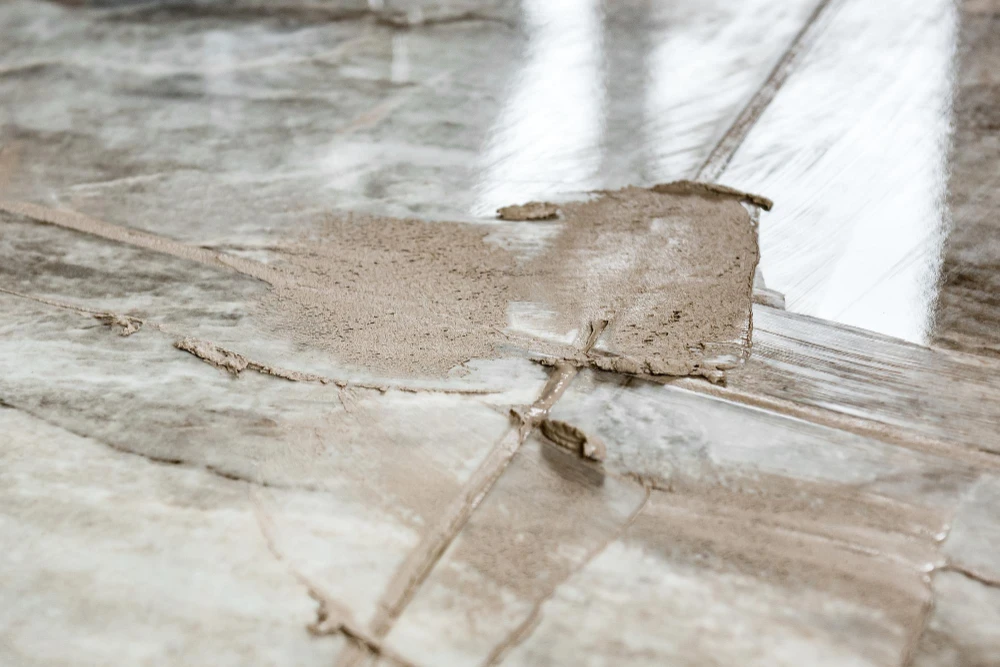
Why are my floor tiles popping up? You hear a sharp crack at night, and by morning a tile sits raised like a small tent. Sharjah summer days hit 45°C or more, and that heat pushes floors hard. Tiles grow, press on each other, and lift off the base.
Experts call this tenting, and knowing the main tile tenting causes helps you stop it early. Early action saves the cost of a full new floor. This guide covers what goes wrong, the signs to watch for, and the fix.
What Popping Tiles Look and Sound Like
- A sharp crack or pop when the room heats up or cools down
- Tiles that rise in the middle and form a small peak
- A hollow sound when you tap a tile with a coin
- Thin cracks along the grout lines
- Gaps opening between tiles or at the wall edge
- Two tile edges pressing hard against each other
- Tiles that rock or shift when you step on them
- Chipped corners where tiles rub together
Why Sharjah Floors Face Extra Stress
Sharjah has long, hot summers and mild winters. From June to September, outdoor heat passes 45°C while indoor AC keeps rooms cool. That daily swing makes floors move. Many villas and flats use large porcelain or marble tiles, and big tiles need wider gaps and a strong bond. Risk rises when a floor is laid fast or on a slab that is still drying. Floor inspectors in Sharjah homes see the same pattern again and again: tight edges, thin glue, and no movement joints.
Why are my floor tiles popping up?
So why are my floor tiles popping up in the first place? Pressure builds under the tile. Tiles need room to move, and when they have none, they push up. Five problems cause most of this pressure.
Heat and Floor Growth
Tiles and the concrete slab under them grow in heat and shrink as they cool. Rooms near sunny windows or balcony doors move the most. AC adds a second swing each day. With no space to grow, tiles squeeze together and pop up.
Missing Movement Gaps
Good tile work leaves a small gap at each wall. It also splits long runs with movement joints. The TCNA Handbook, a trusted industry guide, calls for this. A gap of about 6 mm at the edges is a common minimum. Some floors run tight from wall to wall, so the tiles have nowhere to grow.
Weak Bond Under the Tile
Tile needs full contact with strong glue. Thin or patchy glue leaves hollow spots. Old glue also dries out and loses its grip. Tiles over hollow spots lift first, since nothing holds them down.
Moisture Under the Floor
Water from leaks, damp slabs, or heavy mopping weakens the bond. Pipes under the floor are a common source. Damp also makes the base swell. Tiles laid on a slab that was not fully dry can lift within months. Concrete needs about 28 days to cure before tiling.
Poor Base Preparation
A dusty, uneven, or cracked base stops tile from bonding well. A weak screed, the layer under the tile, crumbles under load. Even a fine tile fails on a poor base. Good crews clean, level, and test the base before any tile goes down.
Tile Tenting Causes Homeowners Often Overlook
Tile tenting causes are not always clear. Tiles can look fine for years, then lift in one hot week. Most cases come from a mix of reasons. Heat, tight edges, and a weak bond work together, so fixing one cause alone will not stop the problem.
Other hidden factors add strain. Heavy items on one spot press the floor. Work nearby can shake the slab. A building that settles can shift the base. Check each one before you choose a fix.
How to Tell Tenting From Other Floor Problems
Not every floor problem is tenting. Tenting shows as a raised peak, often with a crack along the top. Settling shows as a long crack through several tiles and grout lines. A hollow tile that stays flat means the glue has failed, but pressure has not built yet. Stains and a damp smell point to a leak. Knowing the difference helps you pick the right fix and avoid wasted cost.
What to Do Right Away
- Stop walking on the lifted area to prevent more cracks
- Move heavy furniture away from the spot
- Take clear photos and note the date
- Mark the lifted tiles with painter’s tape
- Check nearby walls, pipes, and taps for leaks
- Keep indoor heat steady instead of sharp swings
- Do not hammer the tiles back down
- Do not pour glue under the tiles yourself
- Ask a trained team to inspect the floor
Loose Floor Tiles Repair: What Experts Do Step by Step
A skilled team handles loose floor tiles repair by finding the cause first. A fix that skips the cause fails again. So the team checks the base, the gaps, and the damp level before any work starts.
Steps in a Proper Fix
First, the team taps every tile and marks the hollow ones. Next, they lift the marked tiles with care. They clean the base and let it dry fully before any new glue goes down. If they find dampness, they trace the source and stop it.
Movement gaps and joints are cut where needed. Fresh glue goes on the base and on the back of each tile. The tiles are pressed in, leveled, and left to cure. Grout and a flexible joint filler finish the job.
When to Call an Expert
One loose tile looks easy to reset, but the cause often sits deeper. Call an expert if more than one tile has lifted. Call one if you hear popping in several rooms. Call one if you see damp, stains, or cracks in the walls.
These signs point to a bigger problem, so you need full loose floor tile repair, not a quick patch. An expert tests the base, finds the leak, and fixes the root cause. This protects your floor and your budget.
How to Keep Tiles From Popping Again
Some owners ask, why are my floor tiles popping up again after a repair? Most often, the cause was never fixed. Prevention starts with good laying. Ask for movement gaps at all walls and joints in long runs. Make sure the base is clean, flat, and dry. Insist on full glue coverage behind every tile, mainly for large sizes.
Fix leaks as soon as you see them. Use curtains or window film to cut direct sun on the floor. Keep AC settings steady so the floor does not swing between hot and cold. Check grout lines each year and renew any that crack. For tiles and flooring in Sharjah, Dar Al Tarmeem checks the base, finds the cause, and fixes it right the first time.
Conclusion
Why are my floor tiles popping up? Heat, tight edges, a weak bond, or damp cause it. Act early to stop wider damage. Take photos, check for leaks, and keep off the lifted area. Then ask an expert to inspect the floor. Contact Dar Al Tarmeem now.
FAQs
1. Why are my floor tiles popping up in summer?
Heat makes tiles and the slab grow. If the edges have no gap, tiles press together and lift. Weak glue or damp under the floor adds to the problem.
2. What are the main tile tenting causes in Sharjah?
The main causes are strong heat, no movement gaps, weak glue, and damp under the floor. Two or more often work together, so a full check matters.
3. How long does loose floor tiles repair take?
Small areas take one to two days, plus time for the glue to cure. Large floors take longer. An expert gives a firm time after checking the base.
4. Can I fix a popped tile myself?
You can reset one tile with the right tools. But if heat, damp, or missing gaps caused it, the problem returns. Ask an expert to check first.
5. How can I stop tiles from popping again?
Leave gaps at the walls, add movement joints, and use strong glue with full coverage. Fix leaks fast and keep indoor heat steady. Good laying matters most.