
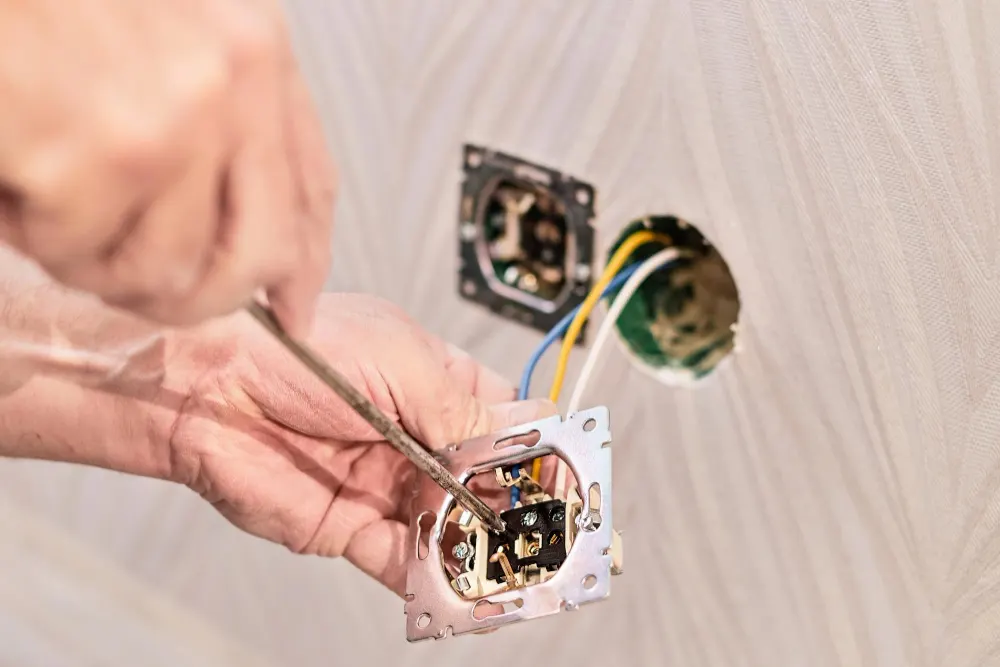
It may come as a surprise that faulty electrical wiring is the cause of nearly 20% of fires in the UAE every year. In Sharjah, electrical wiring problems are not only an inconvenience for homeowners but also pose a risk to their lives and property.
This is due to an increase in power usage and high humidity levels. Yet, this could easily have been prevented by way of regular inspections and maintenance. Through a preventive inspection of the electrical system, possible dangers can be detected.
What Causes Electrical Wiring Problems in Sharjah?
Understanding why electrical issues happen helps you fix them before they turn into dangerous fires.
Extreme Heat Strain
Due to the very hot weather Sharjah has during the summer season, air conditioners are always running to the point that they consume a lot of electricity through your walls. All this electricity being consumed at one point causes the temperature in the wires to rise, and the insulation of the wires will degrade due to high temperatures over time.
With heat, wires tend to lose tightness at the connection points, causing sparks and blackouts, as well as serious problems with the wiring system.
High Humidity and Salt Air
Sharjah sits right on the coast. Salt and moisture fill the air every day. This damp air gets into light switches, plugs, and breaker boxes. It rusts the copper wires inside. Rust makes it harder for power to move. This extra resistance creates heat and causes sudden power dips in your home.
Old Wires in Aging Buildings
Many homes and villas in older parts of Sharjah were built decades ago. Their wires were not made for modern appliances. Old panels and worn cables cannot handle the heavy load. This causes frequent power cuts and broken wire covers.
COMMON WIRING HAZARDS
Continuous High AC Loads —> Insulation Breakdown & Arcing
Coastal Humidity & Salt —> Terminal Corrosion & Resistance
Outdated Infrastructure —> Overloaded Circuits & Breaker Trips
Key Signs You Need an Electrical Wiring Inspection
Spotting early signs of bad wiring lets you fix hazards before they cause serious damage.
- Flipped Circuit Breaker: When breakers trip due to overheating of the line, it indicates that your circuit breaker is overloaded or the wiring is failing.
- Flickering Lights: Dips in lights whenever the air conditioner starts running indicate that you have loose wiring or a poor supply of voltage.
- Scorching Marks on Outlets: Black marks on your wall outlets indicate that there is a spark from within.
Simple Rules for Better Wiring Safety
Focusing on everyday wiring safety protects your family and home from unexpected fires.
Do Not Overload Outlets
Plugging too many items into one strip draws too much power. Overloaded outlets get hot quickly and melt internal plastic parts. Plug high-power appliances into separate wall sockets instead.
Test Your Safety Breakers Every Month
Your main panel has special safety switches that cut power during a shock hazard. Press the small “Test” button on your main panel once a month. Make sure the switch flips down smoothly.
Replace Damaged Wires Right Away
Check your appliance power cords often. Look for cracks, exposed copper, or loose plug pins. Throw away torn cords instead of wrapping them in tape.
Common Electrical Hazards in Residential Properties
Homes face unique electrical risks from high power use and local weather.
Unbalanced Breaker Panels
Big homes use multi-phase power systems. If power demand is not split evenly across these phases, wires get too hot. This imbalance damages your sensitive electronics and cuts their lifespan short.
Poor Grounding Systems
Grounding wires safely send extra power into the earth during a fault. Salt air eats away at ground rods over time. This leaves metal appliance frames with dangerous electricity.
Steps to Find and Fix Wiring Faults
Following a clear safety checklist keeps you safe when checking power issues.
Turn Off the Main Power Switch: Safety First Procedure.
Shut off the main breaker before you check any switches, plugs, or wiring boards.
Look for Physical Damage: Spotting External Defects.
Check outlets and switch covers for cracks, burn marks, or melted plastic.
Test Wires for Damage: Checking System Integrity.
Use basic testing meters to check that wire covers are intact, and grounds work properly.
Fix Loose Connections and Damaged Cables: Corrective Maintenance.
Tighten loose screws, replace bad wires inside wall conduits, and install new breakers.
Why You Need Professional Electrical Repairs
Fixing high-voltage power lines without proper tools is dangerous. You risk electrical shocks and home fires. Local laws require certified work to keep homes safe for tenants.
Hiring a trained Electrical Maintenance Company ensures your repairs follow safety rules. Techs use solid tools to fix bad wires, test ground lines, and balance your power board. This keeps your system running strong through hot summers solving electrical wiring problems.
Conclusion
You avoid wiring hazards by doing the following; it keeps your house safe and also saves you money on power cut bills. A few common-sense and regular safety practices you can do will save you from major hazards before they happen.
When technical assistance with your power system is required, reach out to Dar Al Tarmeem to prevent electrical wiring problems.
FAQ
1) What are the common signs of electrical wiring problems in my home?
Breaker tripping often, flickering lights, scorched sockets, buzzing outlets, burning plastic smells, and small shocks from metal appliances.
2) How often should I schedule an electrical wiring inspection?
Get a full home check every 2 to 3 years. Get an annual check if your building is old or has power issues.
3) What should I do if an electrical socket sparks when plugged in?
Unplug the cord safely. Turn off the breaker for that room. Do not use that plug until a pro fixes it.
4) Can bad wiring cause my power bill to go up?
Yes. Worn wires waste power by turning electricity into heat. This wasted energy adds to your monthly power bill.
5) Why do circuit breakers trip so much in the summer?
Air conditioners draw lots of power in summer heat. Heavy loads trip weak breakers and overheat old wires.