
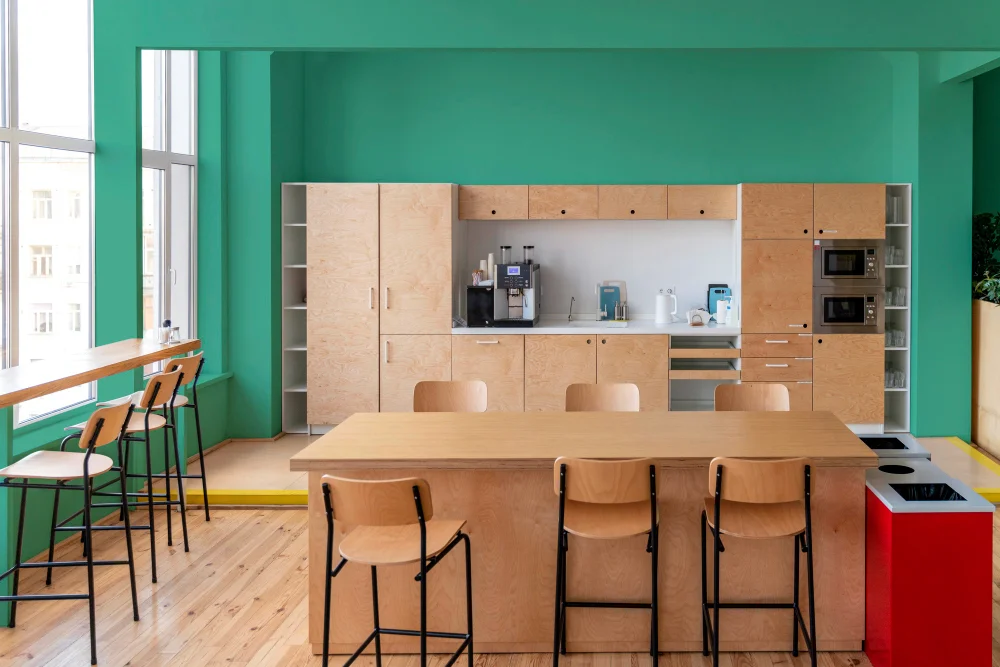
Are you planning to build new kitchen cupboards or home shelves? Choosing the right wood sheet makes a big difference in how long your furniture lasts. In warm, humid areas, picking the wrong board can lead to sagging shelves or warped doors.
Homeowners usually choose between two common engineered woods, such as cabinet MDF vs plywood. Making the right choice means looking closely at water resistance, smooth paint finishes, weight limits, and your total budget.
The Ultimate Material Comparison for Your Custom Joinery
Comparing cabinet MDF vs plywood helps you pick a choice that blends style with long-lasting strength. Medium-density fiberboard (MDF) has a smooth face because it uses tiny wood fibers mixed with glue.
Plywood offers high strength because factories glue thin wood sheets together in alternating patterns. Both options have good traits that fit different rooms, styles, and moisture levels in a house.
Cabinet MDF vs Plywood: Understanding the Structural Differences
Your choice between cabinet MDF vs plywood depends on where you put the box and the final paint finish. MDF has a dense, solid core with no wood knots, so tools can cut clean shapes without splitting it.
Plywood has strong layers that hold screws tight and keep shelves from bending under heavy weight. Knowing how these boards handle daily use helps you build steady storage units that stay straight for years.
MDF vs Plywood for Cabinets: Analyzing the Strength and Visual Appeal
Structural Performance Under Everyday Loads
When you look at MDF vs plywood for cabinets, you must check how much weight the shelves can hold. Plywood has cross-layered sheets that stop wide boards from bending down under the heavy plates, pots, and food cans. MDF is heavy and dense, but long pieces will sag if they do not have extra wood supports underneath
Achieving Flawless Decorative Finishes
The final look of your painted furniture depends on the flat surface underneath the paint layer. The ultra-smooth face of MDF lets painters apply glossy or matte coats without any wood grain showing through. Plywood shows a natural wood pattern that looks great with clear stains, adding a warm look to rooms.
Finding the Best Material for Kitchen Cabinets in Modern Homes
Evaluating Moisture Resistance in High-Humidity Zones
Finding the best material for kitchen cabinets requires thinking about water drops, steam, and wet floors. Plywood does not swell or split easily when wet because its layers let the wood dry without losing shape. Standard MDF acts like a sponge near water, soaking up drops and swelling up if the edges lack primer.
Long-Term Value and Everyday Durability
Kitchen storage must handle slamming doors, heavy pots, and daily wiping with wet rags. Plywood handles heat shifts and wet air well, so it is the top choice for kitchen box frames. MDF works best for flat door fronts because it stays flat and will not twist as seasons change.
The Advantages and Disadvantages of Medium-Density Fiberboard (MDF)
The Structural Advantages of MDF
- Super Flat Face: The smooth surface provides a great base for glossy lacquer, oil paints, and thin laminates.
- Easy to Shape: Wood routers cut detailed shapes, shaker lines, and smooth curves into the edges easily.
- Lower Price Tag: It costs less than high-grade plywood, which helps you save money on big closet projects.
- No Warping Risk: It stays flat and does not move much with temperature changes, keeping doors aligned.
The Disadvantages of MDF
- Poor Water Resistance: Bare edges soak up liquids fast, creating bad bumps that ruin the paint.
- Heavy Panels: The dense material makes the sheets hard to lift, carry, and hang on walls.
- Weak Screw Grip: Screws can strip the soft fiber holes, making it hard to fix loose hinges later.
- No Wood Patterns: You cannot stain it to look like raw timber since it has no natural grain lines.
The Pros and Cons of Premium Plywood Panels
The Main Benefits of Plywood
- High Bending Strength: The cross-grain sheets resist bending, making them safe for heavy book storage.
- Good Moisture Defense: Quality exterior or marine boards handle high humidity and splashes without falling apart.
- Tight Screw Hold: Steel screws bite deep into the real wood layers, keeping heavy doors steady.
- Real Timber Look: The outer veneer layer looks beautiful when finished with wood stains or clear oils.
The Drawbacks of Plywood
- Higher Front Cost: Good plywood costs more than MDF, which raises your overall material bill.
- Hidden Core Gaps: Cheap sheets can have empty spots inside that weaken the board and drop screws.
- Rough Raw Edges: The layered sides look unfinished, so you must cover them with edge tape or wood strips.
- Splinter Danger: Fast saw blades can chip and tear the outer wood skin if you cut across the grain.
Cost Comparison and Long-Term Value
Building home storage requires balancing your initial spending with future fix-up costs. MDF keeps initial material costs low, making it a smart choice for big bedroom closets and office desks.
Plywood costs more at first, but its defense against water damage saves you from buying replacement parts later. Many builders use plywood for the strong inner boxes and MDF for the smooth painted doors to save money.
Choosing the Right Material for Different Rooms
- Kitchen Base Boxes: Plywood works best here to protect your floor cupboards from pipe leaks and wet mops.
- Kitchen Front Doors: MDF is the top choice because it stays flat and takes smooth paint coats well.
- Bathroom Vanities: Plywood is highly recommended due to high steam levels and wet sink counters.
- Bedroom Wardrobes: MDF fits large clothing closets well because it offers flat surfaces for neat paint finishes.
- Heavy Book Shelves: Plywood stops wide shelves from bowing down under the weight of heavy books and files.
- Laundry Room Units: Plywood protects your storage from humid dryer air, soap spills, and wet towels.
Experienced Carpenters in Sharjah know how to work with both boards, so your cupboards fit straight against old walls.
Conclusion
Picking between cabinet MDF vs plywood depends on your room, your design style, and your wallet. Use plywood for strong frames, wet spaces, and shelves that hold heavy stacks for a long time. Choose MDF for smooth painted doors, neat wall panels, and cheap storage units that need a clean look.
Mixing both boards gives you a strong, beautiful setup for your home project. For quality woodwork, layout help, and neat home setups, let the expert team at Dar Al Tarmeem build your new space.
FAQs
1) Which option is more affordable when comparing cabinet MDF vs plywood?
MDF is much cheaper than plywood because it uses leftover wood fibers instead of sheets of real wood veneer. It helps keep your furniture costs down.
2) Is MDF vs plywood for cabinets better for high-humidity areas?
Plywood handles wet air better because its cross layers stop it from bending out of shape. MDF can swell up if water gets past the paint.
3) Why is plywood considered the best material for kitchen cabinets?
Plywood is the best material for kitchen cabinets because it resists water damage, holds up heavy pots, and keeps hinge screws tight.
4) Can you stain MDF to look like real wood?
No, you cannot stain MDF because it has no real wood lines. It is made of flat, pressed fibers and must be painted.
5) Can I mix both materials in a single kitchen project?
Yes, you can use both. Most shops build the inner boxes out of strong plywood and use smooth MDF for the front doors.